




Understanding consciousness beyond life through science, compassion, and wisdom
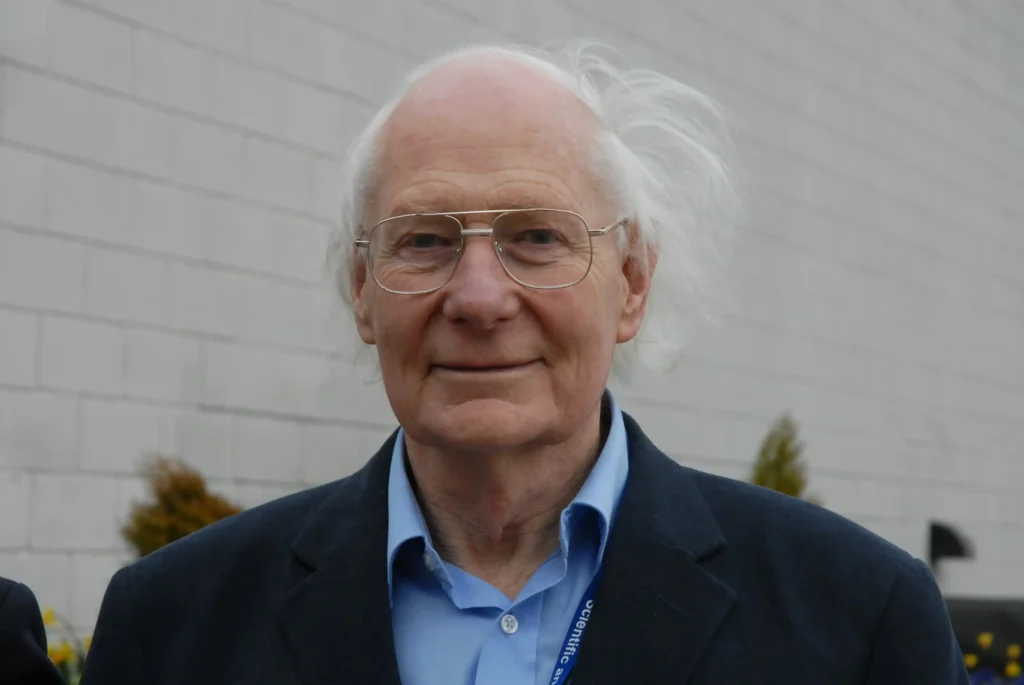
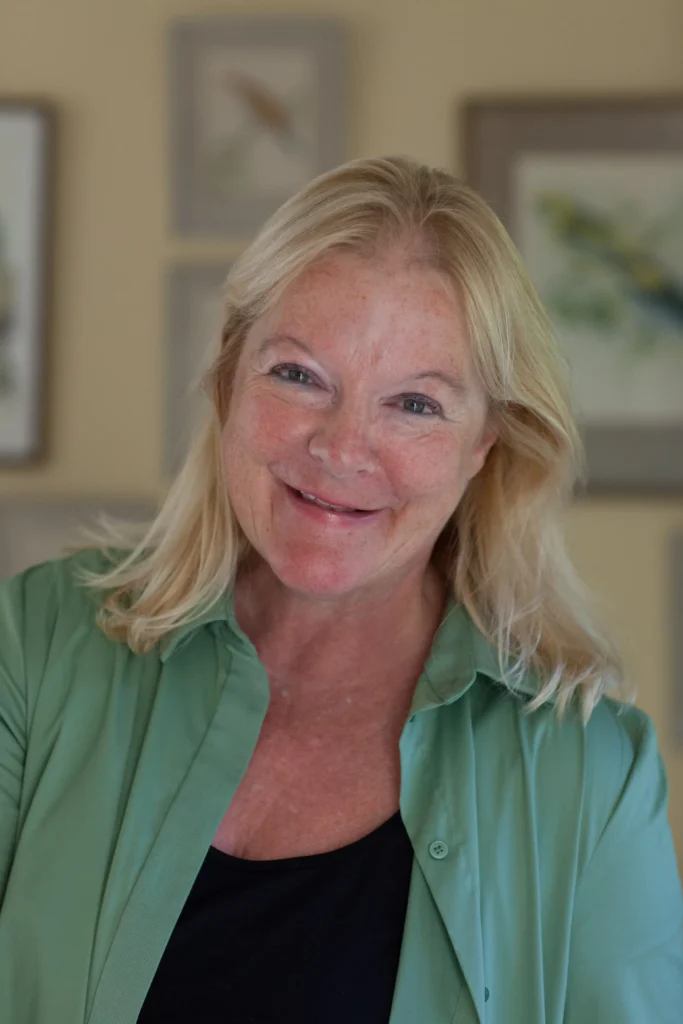
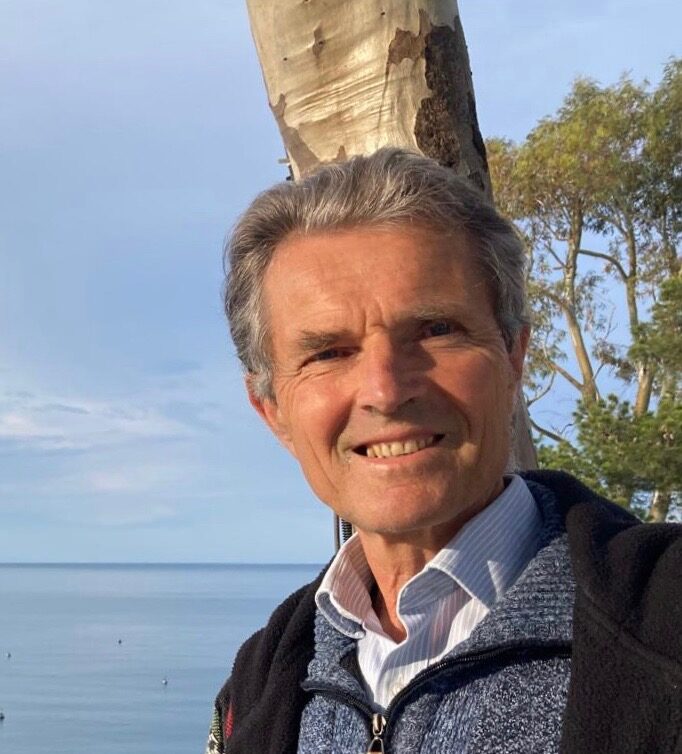
Death is not the End began as a shared vision between Peter Fenwick, Felicity Warner, and David Lorimer — three pioneers united by a profound question: What truly happens when we die?
Together, they set out to bring light, research, and openness to a subject long shrouded in silence. Their goal was to create a space where science, spirituality, and personal experience could coexist — to help us understand death not as an ending, but as a transition.
Our mission is to de-mystify and de-stigmatize death, helping people see it as part of the greater life cycle rather than a final event.
We aim to remove the fear surrounding dying, encourage open dialogue, and provide access to trustworthy research and compassionate guidance.
By blending scientific insight with human experience, we hope to restore sacredness and meaning to the process of dying — and peace to those who contemplate it.
We envision a world where talking about death is natural, not
taboo. Where individuals can approach their final moments with curiosity instead of fear, and families can find comfort in knowing that consciousness continues beyond the body. Our hope is to inspire a cultural shift — from viewing death as the ultimate loss to understanding it as part of life’s profound continuity.
We unite scientists, researchers, soul midwives, philosophers, and
the public in exploring life after death.
Our work bridges empirical research with lived experiences — including near-death experiences (NDEs), shared death experiences (SDEs), after-death communications (ADCs), terminal lucidity, and reincarnation studies.
Through projects, discussions, and community spaces, we make knowledge accessible to everyone — not just academics or
spiritual seekers.
Love Letter from the Afterlife” by Andrea Gibson is a deeply moving prose poem that imagines a message from someone who has passed away to the person they love. Instead of portraying death as separation, the piece reassures the living that love continues to exist beyond life in memories, nature, and the quiet moments that remind us of those we have lost. It is a comforting reflection on grief, love, and the enduring bond between souls.
A Shared Death Experience (SDE) occurs when a healthy person, often a loved one, feels connected to someone who is dying and reports experiencing certain aspects of their passing. This can include sensing their presence, seeing visions, or feeling a deep emotional connection at the moment of death. SDEs are often described as comforting and meaningful, highlighting the bond between people even in their final moments.
“What Happens After Death” explores one of life’s greatest mysteries, reflecting on what may lie beyond the end of physical existence. It brings together scientific ideas, personal experiences, and spiritual beliefs to understand whether consciousness fades away or continues in another form. The topic offers a thoughtful and often comforting perspective on death, encouraging deeper reflection on life, love, and the unknown beyond it.
“Does the Brain Stay Active After Death” explores what happens to brain activity in the moments following death. It looks at scientific findings that suggest brief bursts of activity may occur just after the heart stops, while also questioning whether any form of awareness or consciousness can continue. The topic offers a thought-provoking view on the boundary between life and death, blending science with deeper curiosity about the human mind.
A Near-Death Experience (NDE) refers to a powerful personal experience reported by people who have come close to death or were clinically dead for a short time. These experiences often include feelings of peace, seeing a bright light, or a sense of leaving the body. NDEs are commonly described as life-changing, offering new perspectives on life, death, and consciousness.
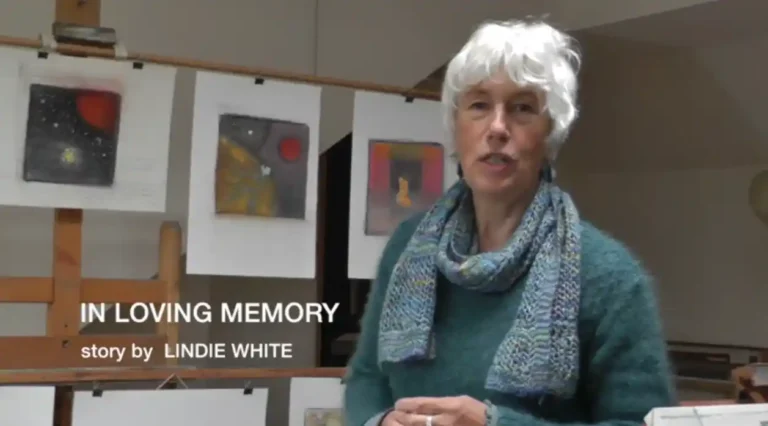
A film made after Roy’s death from Lindie White’s memories of her husband, Roy White who was a life-long artist. She had the film made to record images of his paintings together with her recollection of the significant influences on his creative process.
This article explores how near-death experiences reveal that death is a gradual process and often brings heightened awareness and compassion. It highlights that actions and their impact on others matter more than beliefs, with love emerging as the most important value. The piece connects these insights to today’s global crises, suggesting humanity may be facing a “collective near-death experience
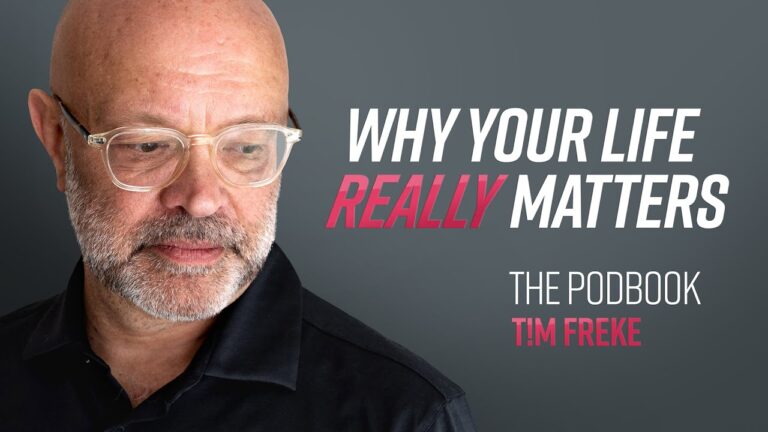
Why Your Life Really Matters: The Podbook is Tim Freke’s chapter-by-chapter exploration of a new post-scientific spirituality. Through 38 episodes, he examines consciousness, reality, free will, life after death, quantum physics, and the purpose of life. Each chapter builds on the last, offering fresh insights into philosophy, psychology, and spiritual understanding. Whether you’re new to these ideas or a lifelong seeker, this series provides a thoughtful and accessible journey into the deeper questions of existence.
We hope you enjoy Tim Freke’s conversation with Laurie. Together, they cover a lot of ground… from Jesus to near-death experiences (NDEs).
In this short video, Tim Freke explores his past experience with Ayahuasca and explains why he is hosting a life-changing retreat in Costa Rica this July with his wonderful friend Kat of The Plant Medicine People.
The world, including humanity and America-dominated science, has been passing through a phase of the “Death-Phenomenon.” We too are getting old and are all moving towards it.
SMN, UK, and its members—especially Peter Fenwick and David Fontana—have worked extensively on Death, NDEs, and related subjects.
Although I have not specifically worked on Death, I have two published papers on death transcendence (2002), along with many related discussions scattered throughout my books.
Recently, I reviewed these documents and produced a 78-slide PowerPoint presentation, which I have now uploaded to my website.
At your leisure and convenience, you can browse through the presentation here:
I have also added a link to an interactive 40-minute podcast created using Google Gemini Notebook:
The TalkVSED organisation states:
“We are dedicated to helping more people learn about Voluntary Stopping Eating and Drinking (VSED) through public events and discussions.”
The TalkVSED website is available at: TalkVSED
Email: info@talkvsed.org.uk
If the SMN is interested in including speakers within its programme, Jagna Feierabend and Alizoun (Aly) Dickinson have relevant experience in this area. Further information about their background and work can be found on the TalkVSED website.
— Death is not the End Mission Statement
Death is not the End stands as a bridge — between science and soul, life and afterlife, fear
and peace.
Our purpose is simple: to help humanity rediscover the beauty, mystery, and
meaning within dying.
The Shared Crossing Project’s mission is to positively transform relationships to death and dying through education and raising awareness about shared crossings and their healing benefits. We bring people together in community to support open exploration and discussion of the mysteries surrounding life, death, and the possibilities of an afterlife.
Spiritual Awakenings International (SAI) is a nonprofit worldwide network of individuals and groups interested in collaborating to raise awareness, network, and share personal experience relating to Spiritually Transformative Experiences (STEs) and spiritual awakenings of all kinds, to raise global spiritual awareness.
https://spiritualawakeningsinternational.org/
For fifty years, the Scientific and Medical Network has been bringing together individuals – including professionals with a background in science, medicine, engineering, psychology, philosophy and complementary practices – who accept the existence of a fundamental, unifying and transcendent reality.
Through our extensive educational programme, featuring internationally renowned speakers and visionaries in their respective fields, we provide a creative forum for exploring frontier issues at the interfaces between science, spirituality, consciousness and well-being.
The Institute of Noetic Sciences is a nonprofit organization dedicated to supporting individual and collective transformation through consciousness research, transformative learning, and engaging a global community in the realization of our human potential.
https://noetic.org
The International Association for Near-Death Studies (IANDS) was founded in 1980 and is the oldest organisation dedicated to the Near Death and related experiences.
Our primary mission is one of support, education and research. We have 88 support groups around the US and some associations with European groups. We give an annual NDE conference and some smaller educational offerings every year.
We distribute research through our professional journal and have published our first research book this year, The Self Does Not Die.
https://iands.org
Daughter Mother Grandmother
Special needs teacher working in Primary schools in Peckham London – now retired.
Follower of the Advaita, Non -Dual tradition given to Dr Francis Roles, head of the Study Society, by His Holiness Shantanand Saraswati ,former Shankaracharya of Northern India. This is the underlying wisdom, meditation and teaching which has been followed at the Study Society since the 1960s.
As custodian and initiator I have been looking after the mantra meditation for the Study Society at Colet House since 2000 and have also practised as a “turner” a sacred physical meditation given to Dr Roles by a Mevlevi order of Dervishs to protect and nurture. This practice continues today.
Dr Peter Fenwick was a great friend and also chair of the Study Society.
A lifetime meditator with a longtime interest in non-dual teachings, and former Chair of The Study Society, with a career as a design consultant, artist and illustrator.
I programme and host Monday Good Company evenings live at Colet House and on zoom, bringing a wide selection of presenters from all different disciplines: academics, artists, authors, doctors, mystics, performers, poets, scientists and theologians.
www.colethouse.org > good-company
Davide Lavina is a transpersonal psychologist, archetypal coach, and holistic psychotherapist with a background in international management and business strategy consulting.
He guides groups and individuals through Jungian-informed and transpersonal approaches, supporting their individuation process.
His research focuses on consciousness studies and archetypal cosmology. He has contributed as a Research Assistant to the After-Death Communication Research Project (ADCRP), analyzing multilingual reports of spontaneous contacts with the deceased (www.adcrp.org).
Further information: https://www.linkedin.com/in/davidelavina/
David Towns, JD
David is a co-owner/moderator of Life After Life and is dedicated to supporting the work of Dr. Raymond Moody. He is the co-author of The Message of the Rose: The Remarkable True Story of a Journey Through Hells and Heavens and How a Rose Defeated a Warrior.
William J. Peters is the founder of the Shared Crossing Project, principal investigator of the Shared Crossing Research Initiative, and a psychotherapist at the Family Therapy Institute. Recognized as a global leader in the field of shared death studies, his research team has collected and analyzed over 500 shared death experience (SDE) accounts creating the world’s largest library of SDEs. Peters’ work has been published widely and featured in CNN among other media outlets. He is the author of At Heaven’s Door: What Shared Journeys to the Afterlife Teach about Dying Well and Living Better, the first researched based book on the shared death experience. For more information go to sharedcrossing.com
Sue Brayne (MA, D.F.Astrol.S.) is a Soul Astrologer, astrological journalist, therapist, death café facilitator and end-of-life researcher exploring life, death, and the soul’s evolutionary journey. Surviving a light aircraft crash 40 years ago inspired her to study mortality, trauma and spiritual growth.
She trained with Elisabeth Kübler-Ross, has an MA in the Rhetoric and Rituals of Death, and worked as an honorary researcher with Neuropsychiatrist Dr Peter Fenwick on one of the first studies into end-of-life experiences. Sue is also a TEDx Speaker (Wear Your Mortality with Pride), the author of The D-Word: Talking about Dying and Living Fully, Dying Consciously.
suebrayne.co.uk
David Lorimer is Programme Director and Global Ambassador of the Scientific and Medical Network and Editor of its journal, Paradigm Explorer. He is former President of Wrekin Trust and the Swedenborg Society and author of Survival – Death as Transition, Resonant Mind – The Near-Death Experience and the Ethic of Interconnectedness and Editor of Thinking Beyond the Brain. He is a former Vice-Chair of IANDS-UK.
Janice Dolley initiated learning programmes for Community Education and Training and Development for the first 15 years of the UK Open University then 15 years adult spiritual education for the Wrekin Trust, founded by Sir George Trevelyan. Currently promoting The New Story for our Times with the Findhorn Foundation, the Whole World View and Cana (Christians Awakening to New Awareness). A published author – latest book ‘Awakening to a New Reality’ written with co-author after she had died, hence a keen interest in After Death Communication.
Main Death-Related Publications:
To Heaven and Back, Penguin Random House, May 2012
7 Lessons from Heaven, Convergent Books, September 2017
Links:
www.DrMaryNeal.com
Marjorie Woollacott, PhD is professor emeritus of the Department of Human Physiology and member of the Institute of Neuroscience at the University of Oregon. Her published research spans inquiry into the nature of consciousness, meditation, and end-of-life experiences. Her books include Infinite Awareness: The Awakening of a Scientific Mind, and On the Banks of the River Styx: New Perspectives on Terminal Lucidity and other Near-Death Phenomena (co-edited with Michael Nahm and Natasha Tassell-Matamua and published by the AAPS). She is past chair of the Dept. of Human Physiology of the U. of Oregon, President of the Academy for the Advancement of Post-Materialist Sciences, Co-Director of the Galileo Commission and Research Director for the International Association of Near-Death Studies. With a team of international researchers, she is currently exploring the nature of terminal lucidity, when a person who is terminally ill, for example, with mental confusion, dementia or coma, unexpectedly returns to lucid awareness shortly before their death.
my website:
Death-related publications:
Nahm, M, Woollacott, M, Tassell-Matamua, N. On the Banks of the River Styx: New Perspectives on Terminal Lucidity and other Near-Death Phenomena. AAPS Press. 2025.
Woollacott, M. Near Death Experience: Memory recovery during hypnosis. Explore (NY). 2024 Nov-Dec;20(6):103036. doi: 10.1016/j.explore.2024.103036. Epub 2024 Jul 24.PMID: 39096700 Long J, Woollacott, M. Long-term transformational effects of near-death experiences. Explore (NY). 2024 Jul 6;20(5):103030. doi: 10.1016/j.explore.2024.103030. Online ahead of print. PMID: 38996518
Affiliation: Athanasia Workgroup, Network NDEs, Society for Psychical Research, Studievereniging voor Psychical Research (Dutch SPR)
Main death-related publications:
-2021 K.S. Rawat & Titus Rivas – Reincarnation as a Scientific Concept. White Crow Books.
-2023 Titus Rivas, Anny Dirven, & Rudolf H. Smit. The Self Does Not Die. IANDS Publications (2nd Edition).
links
https://independent.academia.edu/TitusRivas
Felicity Warner is the visionary founder of the international Soul Midwives’ movement, a pioneering force in holistic and spiritual palliative care. Driven by profound personal experiences with loss, Felicity has dedicated over two decades to transforming the end-of-life experience, advocating for dignity, love, and a peaceful passage for the dying.
Affiliation: Professor of Psychiatry and Director of the Research Center in Spirituality and Health (NUPES), School of Medicine, Federal University of Juiz de Fora (UFJF), Brazil.
Moreira-Almeida,A.; Costa, M. A.; Coelho, H. S. Science of Life After Death. Springer, 2022.https://doi.org/10.1007/978-3-031-06056-4
Moreira-Almeida, A., Costa, M. de A., & Schubert Coelho, H. (2025). Mind beyond the brain: evidence, hypotheses to be tested, and research proposals. International Review of Psychiatry, 37(2), 67–71. https://doi.org/10.1080/09540261.2025.2518721
Abreu Costa, Marianna; Moreira-Almeida, Alexander. Life after death and mind beyond the brain: Reflections and implications for aging. International Psychogeriatrics, 2025. https://www.intpsychogeriatrics.org/article/S1041-6102(25)00377-1/fulltext
Links:
www.instagram.com/alex.nupes
Evelyn Elsaesser is a researcher and author in the field of death-related experiences, notably After-Death Communications (ADCs) and Near-Death Experiences (NDEs). She is the team leader of a long-term international research project entitled “Investigation of the Phenomenology and Impact of Spontaneous After-Death Communications”. She has published numerous books translated into several languages, chapters in collective works, and articles in scientific journals.
Her most recent book, entitled Spontaneous Contacts with the Deceased: A Large-Scale International Survey Reveals the Circumstances, Lived Experience and Beneficial Impact of After-Death Communications (ADCs), published by Iff Books in 2023, has been awarded a 2023 Scientific and Medical Network book prize. She is co-author with Kenneth Ring of Lessons from the Light: What we can learn from the Near-Death Experience, Red Wheel/Weiser, new edition 2024.
Evelyn is a founding member and current board member of Swiss IANDS (International Association for Near-Death Studies). She lives in Switzerland.
Websites:
ADC Project website: https://www.adcrp.org/
Personal website: https://www.evelyn-elsaesser.com/
Tim Wyatt is an esoteric writer, researcher, film-maker and international speaker working with a number of organisations worldwide. A journalist in TV, radio, print and online media since the 1960s, he has studied occult philosophy since he was a teenager and has received awards for his plays and TV documentaries. His book Everyone’s Book Of The Dead has been highly praised. His film The Myth Of Death has picked up a number of awards att international film festivals. He runs a publishing company, TV production business and record label.