What Happens After Death
Death is something almost all of us think about at some point in our lives. Sometimes it comes to mind after losing someone close. Sometimes it shows up late at night when everything is quiet. And sometimes it’s just simple curiosity. No matter the reason, one question has stayed with humanity for generations: what happens after death?
Does everything just stop?…
Is there something more beyond this life?….
Does the soul continue, or does consciousness simply fade away?….
The truth is, no one has a complete answer that everyone agrees on. Science explains what happens to the body. Religion talks about the soul and the afterlife. And then there are personal experiences that add even more mystery to the conversation.
In this article, we’ll look at what happens after death from different perspectives — in a calm, clear, and honest way — so you can understand the possibilities and think about it for yourself.
What Happens to the Body After Death? (Scientific View)
When people ask what happens after death, science looks at the body first. From a medical point of view, death is not just one sudden moment. It happens step by step.
- Usually, the first stage is when the heart stops beating. Breathing stops. Blood stops circulating in the body. This is called clinical death. At this point, oxygen is no longer reaching the brain.
- Within a few minutes, brain cells start shutting down. If doctors are able to restart the heart quickly through CPR or machines, a person can sometimes be brought back. That’s why some people who were declared “dead” for a short time are later revived. In those cases, the brain was not completely damaged.
- But if the brain goes without oxygen for too long, the damage becomes permanent. This is known as biological death. Once this happens, the body cannot recover.
- After that, natural physical changes begin. The body slowly cools down. Muscles become stiff. Over time, the body starts breaking down naturally. From a scientific point of view, when brain activity permanently stops, awareness and consciousness also stop.
So medically speaking, what happens after death is the gradual shutdown of the body’s systems. Still, even though we understand the physical process, science does not fully understand consciousness itself. And that’s why the bigger question of what happens after death continues to interest people.
What Happens to the Body After Death? (Scientific View)
When people ask what happens after death, science looks at the body first. From a medical point of view, death is not just one sudden moment. It happens step by step.
- Usually, the first stage is when the heart stops beating. Breathing stops. Blood stops circulating in the body. This is called clinical death. At this point, oxygen is no longer reaching the brain.
- Within a few minutes, brain cells start shutting down. If doctors are able to restart the heart quickly through CPR or machines, a person can sometimes be brought back. That’s why some people who were declared “dead” for a short time are later revived. In those cases, the brain was not completely damaged.
- But if the brain goes without oxygen for too long, the damage becomes permanent. This is known as biological death. Once this happens, the body cannot recover.
- After that, natural physical changes begin. The body slowly cools down. Muscles become stiff. Over time, the body starts breaking down naturally. From a scientific point of view, when brain activity permanently stops, awareness and consciousness also stop.
So medically speaking, what happens after death is the gradual shutdown of the body’s systems. Still, even though we understand the physical process, science does not fully understand consciousness itself. And that’s why the bigger question of what happens after death continues to interest people.
What Do Religions Say About What Happens After Death?
When people ask what happens after death, religion gives a very different answer than science. Science talks about the body. Religion talks about the soul, purpose, and what may come next.
Different religions explain it in their own way:
Christians believe that death is a transition rather than an end, centered on the promise of bodily resurrection and eternal life through Jesus Christ. This faith-based perspective views the afterlife as an ‘eternal hope’ where believers are reunited with God in a state of perfect peace.
“He will wipe every tear from their eyes. There will be no more death or mourning or crying or pain, for the old order of things has passed away.” — Revelation 21:4
In Islamic theology, the soul enters Al-Barzakh, an unseen intermediate realm that acts as a barrier between the physical world and The Final Day of Resurrection. During this period, the soul remains in a state of ‘waiting,’ where it may experience a foretaste of its ultimate destination based on its earthly deeds. On that final day, every person is judged, and they are sent to Paradise (Jannah) or Hell (Jahannam) based on their deeds and faith.
“Every soul shall taste death, and only on the Day of Resurrection shall you be paid your full recompense.” — Surah Al-Imran [3:185]
Hinduism teaches the immortality of the Atman (soul), which undergoes a cycle of birth and rebirth (Samsara) governed by the law of Karma. The ultimate spiritual goal is Moksha, the liberation from this cycle and the soul’s eventual union with the supreme consciousness, Brahman.
“As a person puts on new garments, giving up old ones, the soul similarly accepts new material bodies, giving up the old and useless ones.” — Bhagavad Gita 2.22
Unlike traditional views of a permanent soul, Buddhism describes death as a continuation of a ‘stream of mental energy’ that is re-established in a new form. This cycle of rebirth continues until one reaches Nirvana, a state of supreme peace where the fires of attachment and suffering are permanently extinguished.
“The mind is radiant; it is only defiled by external impurities. When the mind is liberated, it finds the end of suffering.” — Derived from the Pāli Canon (Dhammapada)
Real Stories: People Who Came Back After Clinical Death
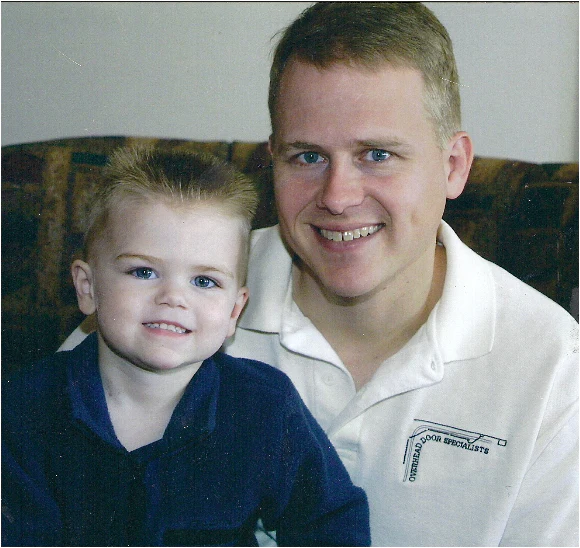
Whenever people talk about what happens after death, real-life stories often become part of the conversation. Over the years, there have been cases where a person’s heart stopped, doctors believed there was little hope, and yet the person survived. These moments naturally make people wonder if there is something more beyond what we understand.
It’s important to be clear, though — these individuals experienced clinical death, not permanent brain death. In medical terms, their hearts stopped temporarily, but their brains were not completely destroyed.
Here are a few widely discussed cases:
Is There Scientific Proof of Life After Death?
If we look at the question from a scientific point of view, there is currently no confirmed evidence that consciousness continues after permanent brain death.
Most neuroscientists believe that our thoughts, memories, personality, and sense of self are all produced by brain activity. In other words, who we are is closely connected to how our brain functions. When the brain permanently stops working, awareness is believed to end as well.
At the same time, science does not fully understand consciousness itself. Researchers are still studying how the brain creates awareness and why we experience thoughts and emotions the way we do. There are different theories, but none of them have been proven to show that life continues after biological death.
So based on what we know today, science suggests that what happens after death is the end of bodily function and conscious experience. Still, because consciousness remains one of the biggest mysteries in science, the question continues to be explored and discussed.
So, What Actually Happens After Death?
After exploring science, religion, and real-life experiences, we return to the same question: what happens after death?
The honest answer is that it depends on which perspective you look at.
From a biological point of view, death is the shutting down of the body. The heart stops, brain activity ends, and the systems that keep us alive no longer function. According to current medical understanding, once the brain permanently stops working, consciousness does not continue.
From a religious perspective, the answer is very different. Many faiths teach that the soul lives on, whether through heaven, judgment, or rebirth. In those beliefs, death is not an ending but a transition.
From personal accounts, especially near-death experiences, some people describe powerful visions, feelings of peace, or a sense of leaving the body. These stories add depth to the conversation, even though they do not provide scientific proof.
The reality is that no one has returned from permanent brain death with verifiable evidence. That is why what happens after death remains one of humanity’s greatest unanswered questions.
In the end, maybe the deeper question is not only what happens after death, but how we choose to live while we are here.
So, What Actually Happens After Death?
After exploring science, religion, and real-life experiences, we return to the same question: what happens after death?
The honest answer is that it depends on which perspective you look at.
From a biological point of view, death is the shutting down of the body. The heart stops, brain activity ends, and the systems that keep us alive no longer function. According to current medical understanding, once the brain permanently stops working, consciousness does not continue.
From a religious perspective, the answer is very different. Many faiths teach that the soul lives on, whether through heaven, judgment, or rebirth. In those beliefs, death is not an ending but a transition.
From personal accounts, especially near-death experiences, some people describe powerful visions, feelings of peace, or a sense of leaving the body. These stories add depth to the conversation, even though they do not provide scientific proof.
The reality is that no one has returned from permanent brain death with verifiable evidence. That is why what happens after death remains one of humanity’s greatest unanswered questions.
In the end, maybe the deeper question is not only what happens after death, but how we choose to live while we are here.